


Welcome to what was supposed to be a relatively low-key subscriber questions post (SBSQ #28: the Buster Posey edition). I had a fun variety pack of questions picked out to ease us into 2026, leading with one about Zohran Mamdani’s initial moves as mayor of New York after he was sworn in on New Year’s Day.

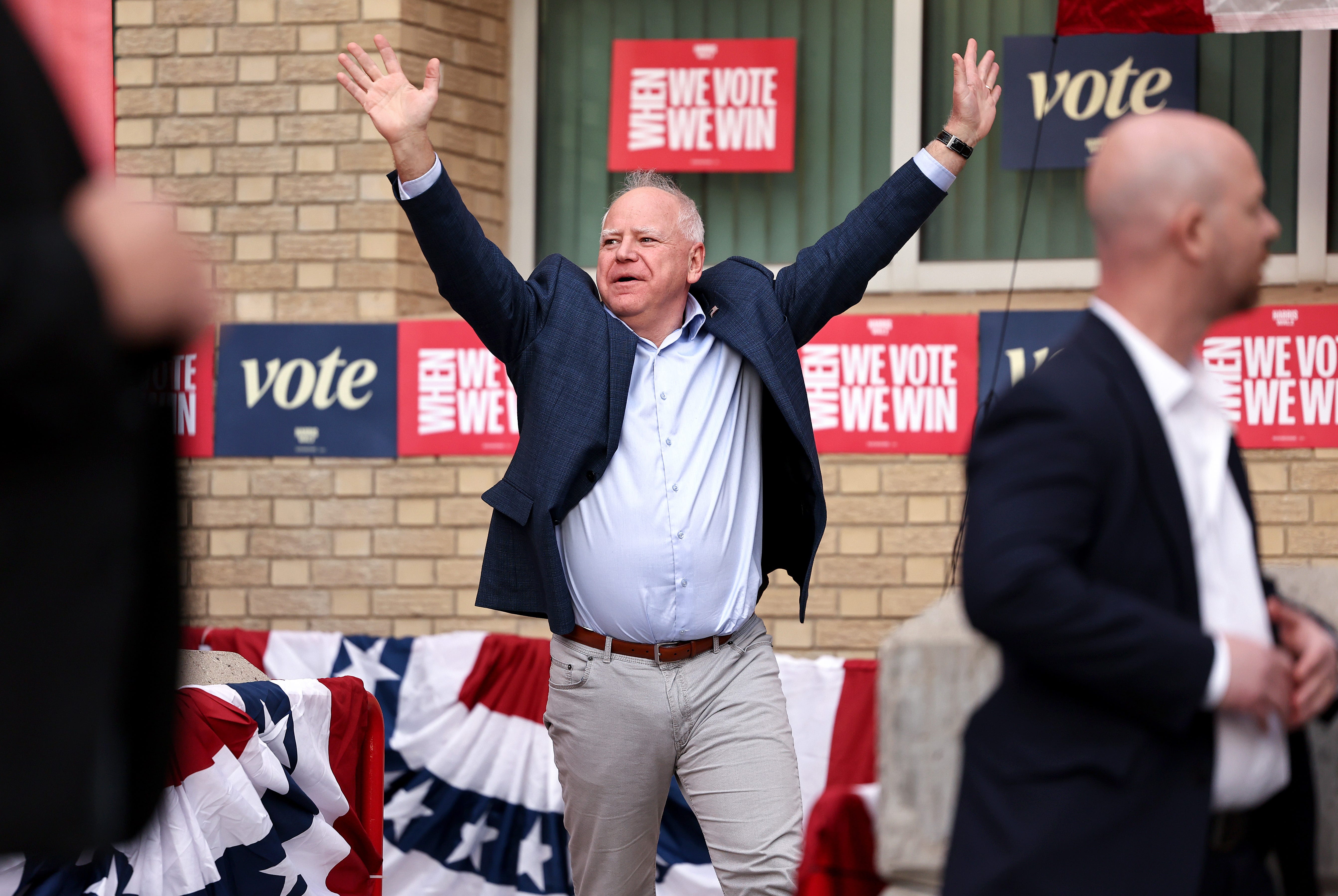
However, one of the reader questions I’d been working on, about Tim Walz and a public benefits fraud scandal in Minnesota, has suddenly become more newsworthy after Walz announced today that he was ending his bid for a third term as governor. Speaking of news, I also have a few comments about Venezuela. So I’m going to call an audible and we’ll break SBSQ into two parts: Minnesota and Venezuela today, and then Zohran and a couple of “fun” questions in #28b later this week. (In the interim, we’ll get you QBERT and ELWAY updates now that the NFL regular season is over.)
Is Venezuela a political liability for Trump?
Nathaniel Bleu (not a real person1) asks:
You’ll probably dismiss this as hopium, but I’ve seen people citing polling suggesting that Trump’s little incursion against Venezuela is really unpopular. And yet, centrist Dems seem terrified to criticize Trump. Shouldn’t we trust the polling here? Are Democrats just running scared, as always?
Early Saturday morning, the US conducted a raid/strike/attack/operation2 against Venezuela, capturing President Nicolas Maduro and flying him to New York to stand trial on what the government describes as corruption and drug charges. (You are welcome to speculate about the actual motivations.)
The strong base case should be that it won’t matter much for domestic politics. Probably the most notable foreign policy actions of Trump’s second term so far are the bombing of Iranian nuclear sites in June and the ceasefire in Gaza in October. You’d be hard-pressed to draw any connection between either of those and changes in Trump’s approval rating. Highly informed elites (not meant in a pejorative sense) often have strong views on foreign affairs, and obviously, there’s nothing wrong with that. But they can considerably overrate how much these issues matter with normie voters, who generally care about foreign policy only when there’s an attack on American soil or a large number of American boots are on the ground. Neither of those is true for Venezuela so far.
Voter attitudes toward foreign policy have evolved since the Iraq and Afghanistan wars, with much more suspicion of foreign interventionism in general. So-called “rally around the flag effects” following military interventions, like the one that boosted George H.W. Bush’s popularity following his invasion of Panama in 1989, have become much smaller over time.
Indeed, Trump tried to capitalize on voters’ war weariness by running against Bush’s conduct of the Iraq War in the 2016 Republican primaries — though Trump’s actual attitudes about foreign adventurism have long been inconsistent. He hasn’t really tried to maintain a pretense of pacifism during his second term — for example, in having floated the idea of taking over Greenland.
So it’s definitely possible that centrist Democrats who are afraid of looking “weak” by criticizing Trump, like the ones cited in this Axios report, are operating out of an outdated playbook. At the same time, I think that polling needs to be taken with a few grains of salt.